Taste the Difference in Every Thai Dish
Thai food is exciting because each bite can bring sweet, sour, salty, bitter and spicy flavours together. The result can feel comforting, fresh and full of character at the same time. For diners, the interesting question is how traditional Thai dishes stay connected to their roots while adapting to new ingredients, tastes and ways of dining.
At Thai Le Ros Restaurant in Port Melbourne, we bring Thai-inspired flavours together with fresh Australian produce and a modern restaurant setting. Whether you prefer familiar classics or enjoy trying something unexpected, it helps to understand what changes between traditional and modern Thai cooking. The differences often come down to ingredients, cooking methods, flavour balance, plating and seasonal produce.
Honour the Foundations of Traditional Thai Dishes
Traditional Thai dishes are built around balance, not one overpowering taste. Heat from chilli may be softened by coconut milk. Lime can brighten a rich sauce, while palm sugar rounds out salty fish sauce or tangy tamarind. Fresh herbs bring lift and fragrance. We think of Thai cooking as layered and aromatic, rather than simply “hot”.
The pantry behind these flavours is full of ingredients that do a lot of work in small amounts. Fish sauce adds savoury depth, shrimp paste brings richness, and tamarind gives a deep, fruity sourness. Lemongrass, galangal, chillies and makrut lime leaves, sometimes labelled kaffir lime leaves, add unmistakable aroma.
Many traditional cooks rely on freshly pounded curry pastes and sauces because they create a fuller flavour than pre-made versions can deliver. A mortar and pestle crushes herbs, roots and spices together, releasing their oils and helping the ingredients become one.
Thai food also changes from region to region. There is no single version of “authentic” Thai cuisine.
- Central Thai cooking is often known for fragrant curries and carefully balanced flavours.
- Northern dishes can be earthy, herbal and gently spiced.
- North-eastern Isaan food often has bold sour, salty and spicy notes.
- Southern Thai cooking may feature coconut, turmeric and seafood flavours.
When we talk about traditional Thai dishes, we are really talking about many regional food traditions, each with its own style and character.
See How Modern Thai Cooking Evolves
Modern Thai cooking does not need to replace tradition. Instead, it can build on familiar Thai flavour ideas while changing the format, presentation or ingredient selection. A dish may still follow the Thai approach to seasoning even if it arrives on the table in a more contemporary style.
Here in Melbourne, local seafood, premium meats, seasonal vegetables and Australian-grown herbs can sit naturally alongside Thai pantry staples. Using fresh local produce can make a dish feel connected to both Thai food culture and the place where you are enjoying it.
Changing dining preferences matter too. Some diners look for vegetarian, vegan, gluten-friendly or lighter choices. We believe the best adaptations still pay close attention to seasoning, texture and aroma. Removing an ingredient should not mean removing the personality of the dish.
Compare Flavour, Technique and Presentation
A traditional recipe may follow well-known ingredient ratios and regional cooking methods, while a modern interpretation might place extra focus on one feature. That could be smoky chargrilled flavour, sharp citrus, crisp vegetables or a beautiful local protein. Both approaches can work when the overall dish remains balanced.
Cooking techniques often reveal the connection between old and new. Traditional Thai methods include pounding curry paste, wok tossing, charcoal grilling, steaming and slow simmering. Modern kitchens may use precise temperature control or more detailed plating, but the spirit of Thai cooking still comes from high heat, fresh ingredients and food prepared close to serving time.
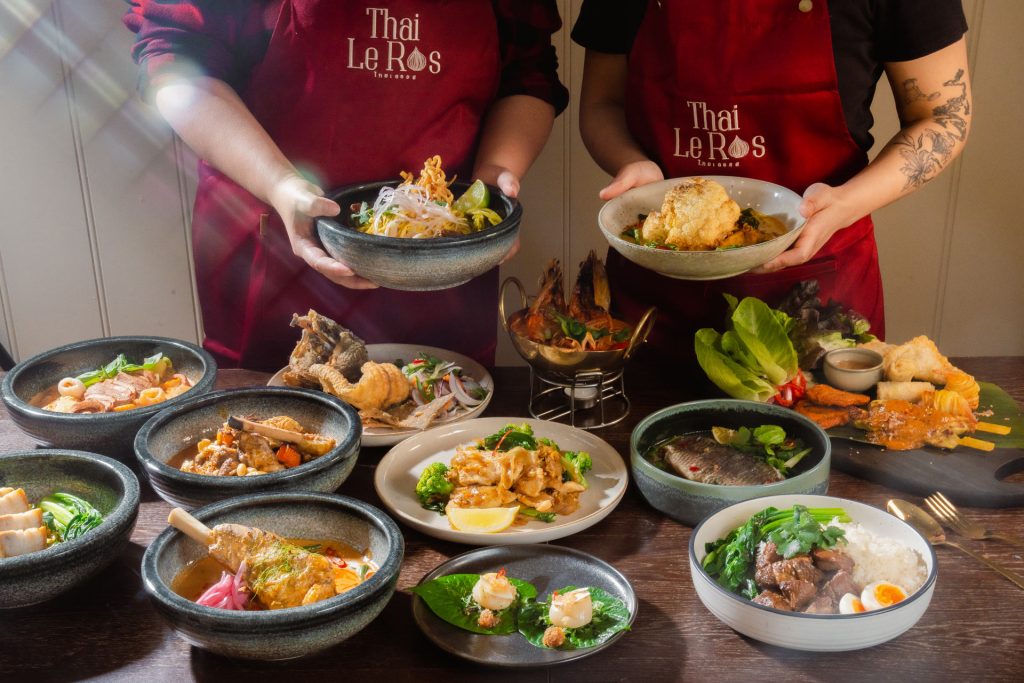
Presentation can change the way you experience a meal, too. Traditional meals are commonly shared, with several dishes placed in the centre of the table so everyone can taste a little of everything. Modern dining may feature individual plates, neat garnishes and carefully arranged components.
Neither style is better than the other. A shared table can make a meal feel generous and relaxed, while an individual plate can spotlight the details of one dish. We encourage you to enjoy both.
Enjoy Thai Flavours Through Melbourne Spring
Spring in Port Melbourne is a natural time to enjoy brighter, herb-forward Thai flavours. As the weather begins to warm, crisp salads, fragrant stir-fries and grilled dishes can feel especially appealing, while a warming curry or wok-cooked noodle dish still has its place at dinner.
Seasonal ingredients can work beautifully with Thai-inspired cooking, especially when they are paired with lime, chilli, tamarind and fragrant herbs. Leafy greens, Asian greens, beans, citrus and seafood all bring freshness without making a meal feel plain.
For a balanced lunch or dinner, we often suggest mixing richer and lighter elements on the table:
- Pair a fragrant curry with something crisp, tangy or herb-filled.
- Choose grilled protein alongside fresh vegetables or salad.
- Add a spicy or sour dish to balance creamy coconut flavours.
- Share a few dishes so you can experience different textures and tastes.
That contrast is part of what makes Thai food so satisfying. A meal can be warming, fresh, spicy and comforting all at once.
Find Your Favourite at Thai Le Ros
At Thai Le Ros, we see traditional Thai dishes and modern Thai cooking as natural companions. Familiar flavours can sit comfortably beside fresh Australian ingredients and contemporary presentation, giving you room to choose what suits your mood.
The easiest way to explore Thai food is to order one familiar favourite alongside something new. Balance a rich dish with a bright one, notice the herbs and aromatics, and enjoy the way sweet, sour, salty and spicy flavours work together on the same table.
Discover More Than One Side Of Thai Cooking
At Thai Le Ros Restaurant, our menu brings together time-honoured flavours and contemporary touches for a memorable meal. Browse our traditional Thai dishes to find options that suit every preference, from comforting classics to fresh modern creations. For dietary questions or booking enquiries, contact us and our team will be happy to help.